

Cleburne Integrated Water Program Named 2025 WEAT-NTS Project of the Year
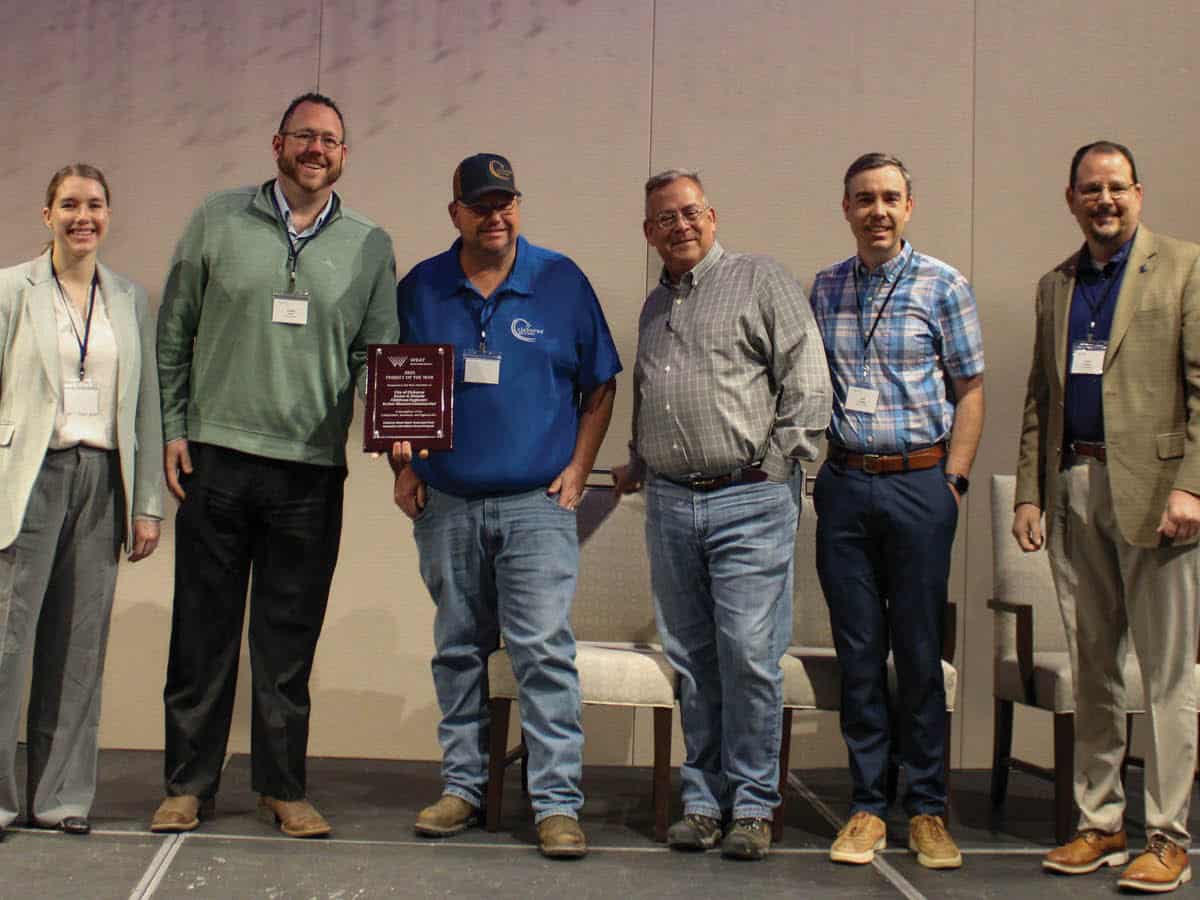
The City of Cleburne’s Wastewater Treatment Plant (WWTP) and Indirect Reuse Program has been named 2025 Project of the Year by the Water Environment Association of Texas (WEAT) North Texas Section (WEAT-NTS), recognizing outstanding innovation, collaboration, and excellence in wastewater infrastructure.
As Cleburne prepares for a projected 25% population increase over the next decade, City leaders faced two urgent challenges: limited water supply and wastewater facilities nearing capacity. Ongoing drought and increasing demand across North Texas underscored the need for a more resilient, locally controlled water strategy.
Rather than addressing water and wastewater needs independently, the City implemented a single, integrated solution. The program combines wastewater treatment improvements with an indirect reuse system that protects the lake, expands capacity, and delivers long-term cost savings, positioning Cleburne for sustainable growth.
This project also earned multiple statewide and regional honors in 2025, including:
- Project of the Year from the Texas Chapter of the American Public Works Association (APWA) in the Environment category ($25M–$75M division)
- Best Project in the Water/Environment category from Engineering News-Record (ENR) Texas & Louisiana
Freese and Nichols partnered with the City of Cleburne to deliver a forward-looking wastewater treatment and indirect reuse program that addresses capacity, resiliency, and long-term water supply, setting a model for how North Texas communities can plan for growth under increasing resource constraints.
Cleburne’s Award-Winning Project
City leaders launched the WWTP and Indirect Reuse Program to meet growing demand and strengthen local water resilience. Instead of simply increasing capacity, Cleburne took a comprehensive approach that treats wastewater as a long-term resource.
Working alongside Freese and Nichols, the City developed a design that expanded the treatment plant’s capacity while improving efficiency and water quality. The upgraded facility includes advanced biological nutrient removal, ultraviolet disinfection and tertiary filtration to produce high-quality treated water suitable for reuse.
A key innovation is the City’s indirect potable reuse system, which returns treated water to Lake Pat Cleburne for future use in the drinking water supply. This approach allows Cleburne to conserve natural resources and reduce dependence on traditional water sources during drought conditions.
Freese and Nichols supported the City from early planning through construction, helping secure regulatory approvals, coordinate with funding agencies and integrate new technology within the existing plant footprint. The City also collaborated with the Texas Water Development Board to secure low-interest financing through the Clean Water State Revolving Fund, resulting in significant savings for taxpayers over the life of the loan.
