Building Resilient Cities and Counties Through Integrated Planning
As cities and counties stretch their limited resources across more — and often competing — demands, planning efforts that align toward a common overarching goal can provide a framework for sound decision-making that reflects residents’ values.
The key is integrating an array of plans into a strategic, coordinated approach driven by effective communication, insightful data and public engagement that starts early and builds trust in both the process and the results.
Our urban planning, water/wastewater planning and county services teams recently collaborated to share their insights in the Texas Municipal League’s Texas Town & City magazine May issue and the printed program for the Texas Conference of Urban Counties, which convened in May.
Here’s a synopsis of their guidance. 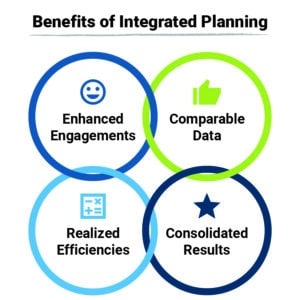
Unlocking the Power of Integrated Planning
Integrated planning helps leaders guide development, manage infrastructure and make decisions that are informed by good data and residents’ input. Strong planning and coordination help cities and counties deal with changing expectations and identify future challenges to prepare for now.
The idea is to collaborate in an organized way that helps move from vision to execution by following key steps:
- Prioritizing projects
- Coordinating across departments
- Incorporating input from the multiple stakeholders who’ll be affected
- Aligning capital programs with financial forecasting and budgeting
- Finding best overall solutions, not just feasible ones
Identify All Your Plans
Planning is essential to know where you want to go and how to get there. But sometimes planning is an afterthought. Good planning generates foresight instead of the hard lessons of hindsight.
Integrated planning brings together existing plans (and those on the wish list) because they can be most effective when they are coordinated rather than developed in isolation.
Get Everyone Talking
Plans can be tackled together, or incrementally, but intentionally having plans “talking to each other” across departments has clear benefits:
- Efficient use of resources to achieve shared objectives
- More accurate outcomes, fewer missed opportunities
- Scheduling coordination
- Elimination of conflicts in timing, location and goals
- Opportunities to connect and build trust
Conversations start at the management level and need to happen across departments and work groups. It’s also essential to engage with stakeholders in the community and those whose buy-in is needed. Taking time to develop relationships helps prevent potential logjams from becoming insurmountable obstacles.
Incorporate Consistent Data
Accurate data leads to informed decisions about local needs, options for addressing them and values that should shape priorities. Having plans — and departments — talk to each other also identifies whether the data guiding decisions is consistent across plans. Data also can help explain and defend decisions to the public.
Reflect Community Values to Build Public Trust
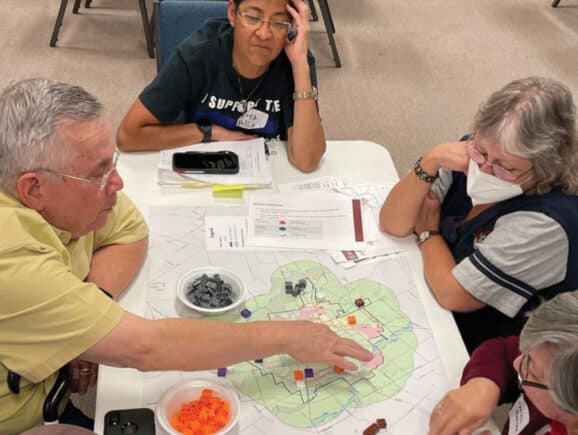
Public engagement from the very beginning is essential so plans incorporate local values and expectations. Residents, businesses, developers, neighborhood groups, students and others should be brought into planning processes early. Using their feedback and showing how it’s guiding plans can build support even for difficult decisions.
Create a Framework for the Future
It can feel overwhelming to develop multiple plans and try to move forward with them, especially when needs are great and funding or staffing are limited. But everything doesn’t have to be accomplished at once.
A framework that sets goals and expectations can show the intended direction while laying out a timeline and roadmap for getting there.
How Freese and Nichols Can Help You
Freese and Nichols brings broad and deep expertise to helping cities and counties develop, coordinate and execute their plans across a range of areas, including water/wastewater, urban and campus planning, transportation, water resources, stormwater, facilities and infrastructure management.
We work with communities to build a resilient, attainable future through bold, realistic solutions shaped by local values and resources.
To learn more about integrated planning, contact: Chance Sparks, chance.sparks@freese.com, Jessica Brown, jessica.brown@freese.com, Wendy Bonneau, wendy.bonneau@freese.com, or Ian Taylor, ian.taylor@freese.com.